
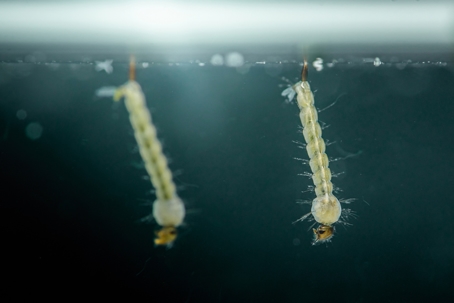
Mosquito control in Morristown is not just about keeping your own backyard comfortable; it is a community-wide effort governed by specific local and state regulations. In Morris County, the fight against these disease-carrying pests is a partnership between municipal authorities and individual homeowners. Understanding the rules regarding standing water, spraying notifications, and property maintenance is essential for everyone who wants to contribute to a healthier, safer neighborhood.
At Trius Pest Management, we believe that an informed community is the best defense against pests. We have been part of the Morristown fabric since 1983, and we see firsthand how individual actions can impact the entire area. By staying up-to-date on local ordinances and best practices, we can all work together to reduce mosquito populations effectively and responsibly.
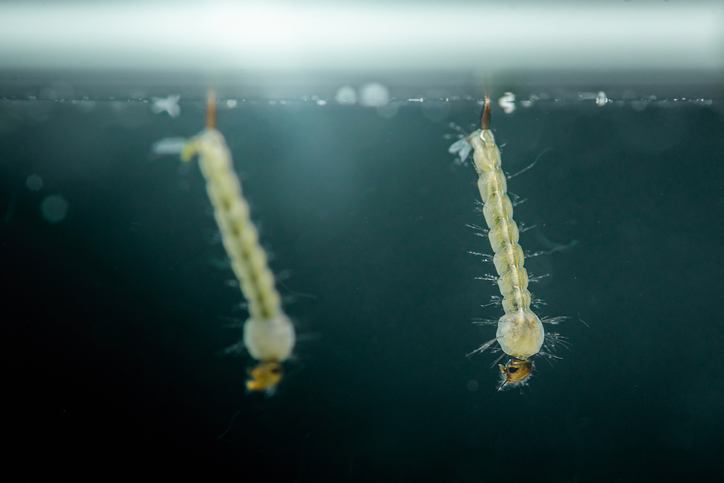
Understanding Homeowner Responsibilities
In New Jersey, mosquito control is taken seriously as a matter of public health. Under state statutes (specifically N.J.S.A. 26:3-45), maintaining artificial containers of stagnant water where mosquitoes can breed is considered a "Public Health Nuisance." This means that as a homeowner, you have a legal and ethical obligation to ensure your property does not become a breeding ground that affects your neighbors.
Common violations that can be cited as nuisances include:
- Neglected Swimming Pools: Unopened or untreated pools that collect rainwater and leaves.
- Clogged Gutters: Debris buildup that traps water high above the ground, often unseen.
- Artificial Containers: Tires, buckets, and birdbaths that are not emptied regularly.
Local health departments and the Morris County Mosquito Control Division have the authority to inspect properties and enforce these rules. Proactive maintenance is not just about avoiding a citation; it is about protecting the community from potential disease vectors like West Nile virus.
How Can Residents & Businesses Report Mosquito Issues or Standing Water?
Reporting potential mosquito breeding sites is simple and can make a significant difference in preventing outbreaks. Morristown provides several ways for residents to report issues:
- Contact the health department by phone or email to report standing water or property neglect.
- Submit detailed complaints through the town’s or county’s online request portal, found on municipal websites.
- Include the location, nature of the issue, how long it's been present, and—if available—photos for documentation.
These steps help officials quickly understand and address the concern. Timely responses often depend on the clarity and completeness of your report, so details matter.
County Efforts and Notification Rights
While homeowners manage their own yards, the Morris County Mosquito Control Division handles larger, area-wide issues using an Integrated Pest Management (IPM) approach. This includes surveillance of mosquito populations, biological controls (like introducing mosquito-eating fish), and water management projects. Chemical spraying (adulticiding) is generally considered a last resort and is typically reserved for times when nuisance levels are high or disease is detected.
When area-wide spraying is necessary, you have specific rights:
- Public Notice: Applications for areas larger than three acres must be advertised in local newspapers and on the county website.
- Direct Notification: Residents can request to be placed on a notification list to receive alerts at least 12 hours before spraying occurs near their home.
- Precautionary Measures: These notices allow you to plan activities, close windows, and bring pets indoors during treatment times.
The Value of Professional Insight
Navigating the specific requirements of local environmental regulations can be complex. Professional pest management providers act as a bridge between high-level county directives and the specific needs of your property. We stay current with the New Jersey Department of Environmental Protection (NJDEP) guidelines to ensure that all treatments are not only effective but also fully compliant with state safety standards.
Beyond compliance, professional insight helps identify "blind spots" that many homeowners miss. A subtle depression in the lawn or a specific type of landscaping foliage might be inadvertently harboring pests despite your best efforts to remove standing water. Professionals are trained to spot these conducive conditions and provide targeted strategies to mitigate them.
Ultimately, relying on professional knowledge fosters a proactive rather than reactive approach. Instead of waiting for a citation or a severe infestation, you gain a strategy that respects local ecosystems while effectively managing pest populations.
Partnering for a Safer Community
Choosing to work with a local professional like Trius Pest Management means you are supporting a business that is deeply invested in the health of Morristown. Because we live here too, we are just as concerned about local regulations and safety as you are. We view our role not just as exterminators, but as consultants who help you maintain a property that is safe for your family and compliant with local laws.
- Local Knowledge: With over 40 years of experience in Morris County, we understand the specific local geography and weather patterns that influence mosquito breeding.
- Regulatory Compliance: We are rigorous about following all NJDEP regulations, ensuring safety for your family and the environment.
- Community First: We focus on nurturing personal relationships, meaning we take the time to explain why we are doing what we are doing.
- Educational Approach: We empower you with knowledge, helping you identify and remove breeding sites so our treatments work better for longer.
We are dedicated to being the best team behind your home's defense. By combining your efforts in removing standing water with our expertise in treatment and prevention, we can create a neighborhood that is enjoyable for everyone.
Quick Compliance Checklist
To ensure your property remains compliant with local "Public Health Nuisance" codes and to reduce the mosquito population, run through this quick checklist weekly during the warmer months:
- Tip and Toss: Empty water from flower pot saucers, toys, and buckets after every rain.
- Check the Gutters: Ensure downspouts are draining properly and gutters are free of wet leaves.
- Tarp Tight: If you cover a boat or woodpile, pull the tarp tight so water runs off rather than pooling in the folds.
- Refresh Water: Change the water in birdbaths and wading pools at least once a week.
- Recycle Tires: Dispose of old tires properly; a single tire can breed thousands of mosquitoes.
Stay compliant and comfortable—call us today at (973) 447-3520, or contact us online for professional service and advice.